


 info@due-all.com
 Open 24/7

Commercial Swamp Cooler & Warehouse HVAC Maintenance in the East Valley
A warehouse and the offices attached to the front of it are two different cooling problems in one building. The floor is usually cooled evaporatively, meaning outside air is pulled through wet pads and cooled as the water evaporates. The offices run packaged rooftop units or split systems that recirculate and refrigerate the air instead. Most contractors are good at one and guess at the other. Due-All maintains both, on one schedule, with one point of contact.
Call Now: (480) 988-0070

Serving the East Valley since 1989. BBB A+ accredited since 2001. ROC #140358, licensed, bonded and insured.
Request a Site Walkthrough
Tell us what is in the building and we will come look at it before we put a number on anything.

Warehouse Floor and Front Office
Are Two Different Systems
Any warehouse, distribution center or manufacturing building in the East Valley is really two buildings sharing a wall. Behind the wall: open floor, high ceilings, dock doors standing open, equipment that is usually evaporative. In front of it: finished office and flex space with people at desks and refrigerated air. The two sides fail differently, need different parts on the truck and get inspected against different checklists. Hiring a roof specialist and a floor specialist means two schedules, two invoices and two sets of records.
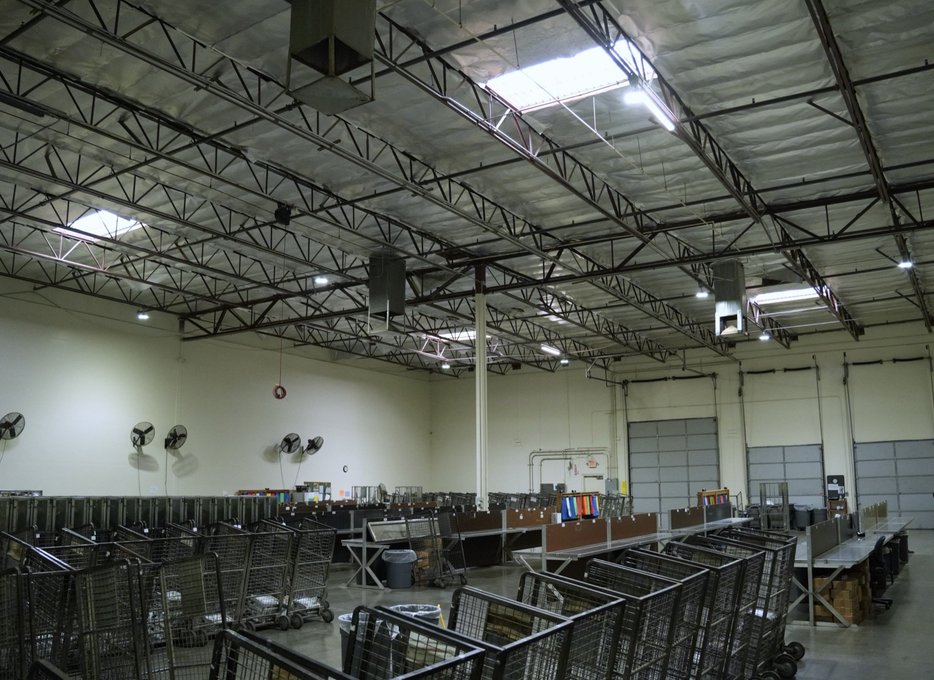
The Warehouse Floor: Swamp Coolers
Swamp coolers, make-up air and exhaust. Evaporative cooling, which most people still call swamp cooling, drops the temperature of outside air by pulling it through wet pads. It suits Arizona because our air is dry most of the year, and it costs far less to run than refrigerating that much air. It only works as a loop, though. Air has to come in and the same amount has to leave, which is why make-up air units and exhaust fans belong on the same service list as the coolers.
Warehouse visits cover pads and media, water distribution, sump, float valve and the bleed off line that flushes minerals before they become scale, plus pumps, belts, bearings, motors, dampers and seasonal startup and shutdown. We also check that exhaust and make-up air are still balanced. Push out more than you bring in and the building goes negative, which shows up as doors that fight you and dust that never settles.
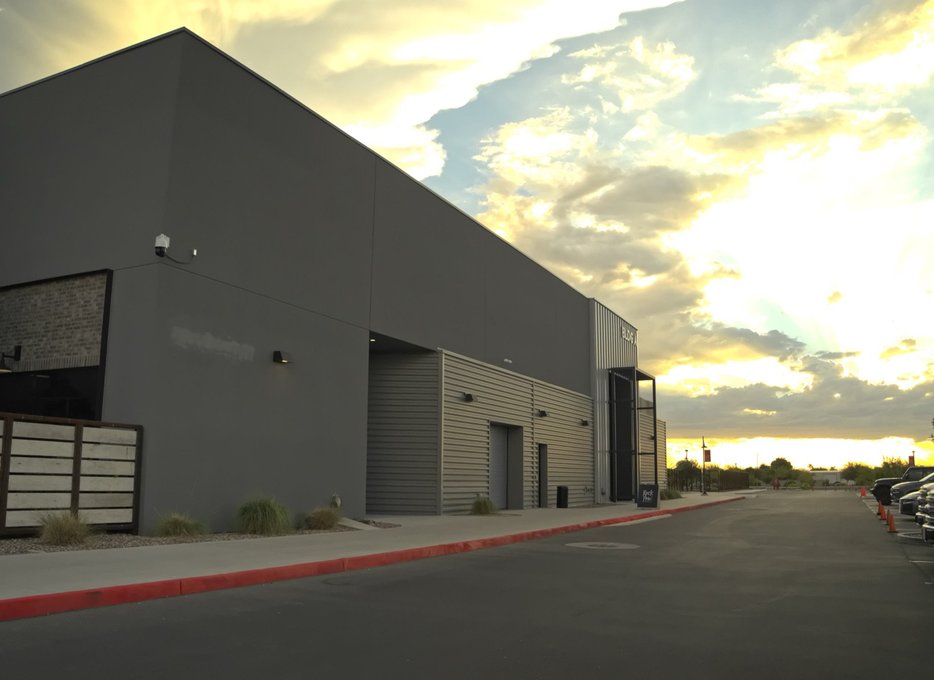
The Front Office
Packaged rooftop units and split systems. Office and flex space up front is almost always on refrigerated air. Usually that is a packaged rooftop unit, a single cabinet on a roof curb holding the compressor, coils, blower and often a gas heat section, ducted down into the ceiling below. Smaller offices and add-on spaces run split systems, where the condenser sits outside and the air handler or furnace sits inside.
Office visits cover filters, belts, coil cleaning, refrigerant charge, condensate pans and drain lines that back up and stain ceiling tile, contactors and capacitors, safety controls, thermostat schedules someone overrode in March, the gas heat section before winter, and the economizer. An economizer is the damper assembly that pulls in outside air to cool the building for free on mild mornings. Out here they seize with dust and quietly stop saving anyone money.
New Equipment Is Not the Same Thing as Maintained Equipment
There is a lot of new industrial space going up around us. CBRE counted 5.6 million square feet under construction in the Southeast Valley in its Phoenix Industrial Figures report for the second quarter of 2026. If you are moving into one of those buildings, you are about to be told you do not need anyone yet. We will tell you the opposite, and we can say it with a straight face because we service what other companies install. A fair share of the installs we open up were rushed, and rushed installs need attention sooner than the age on the data plate suggests.
Install Quality Varies More Than the Warranty Suggests: On a new build the mechanical contractor is working to a schedule and a bid, and what gets shortened is whatever nobody sees from the ground. Duct joints that never got sealed. A refrigerant charge set by rule of thumb instead of measured. An economizer linkage nobody adjusted. A condensate line run flat so it drains slowly or not at all. None of that trips an alarm on day one, all of it shortens equipment life, and all of it is cheap to correct in year one.
Your Warranty Probably Asks for Service Records: A manufacturer warranty covers a part that failed on its own. It is not a maintenance plan, and most of them ask you to show the equipment was maintained before they pay out. Read yours before you assume you are covered. When a claim is denied on a unit nobody ever serviced, the owner pays for the part and the labor, and the equipment being nearly new does not change that conversation.
Year One Is the Dirtiest Year: A new building is a construction site until the day you move in. Drywall dust, sawdust and concrete dust get pulled through the equipment during fit out, and debris left in the ductwork does not vacuum itself out. Then the landscaping goes in and the lot gets swept. The first year is usually the hardest year a filter ever has, which is exactly when owners are least likely to have anyone scheduled.

Arizona Dust Sets the Filter Cycle, Not a National Schedule
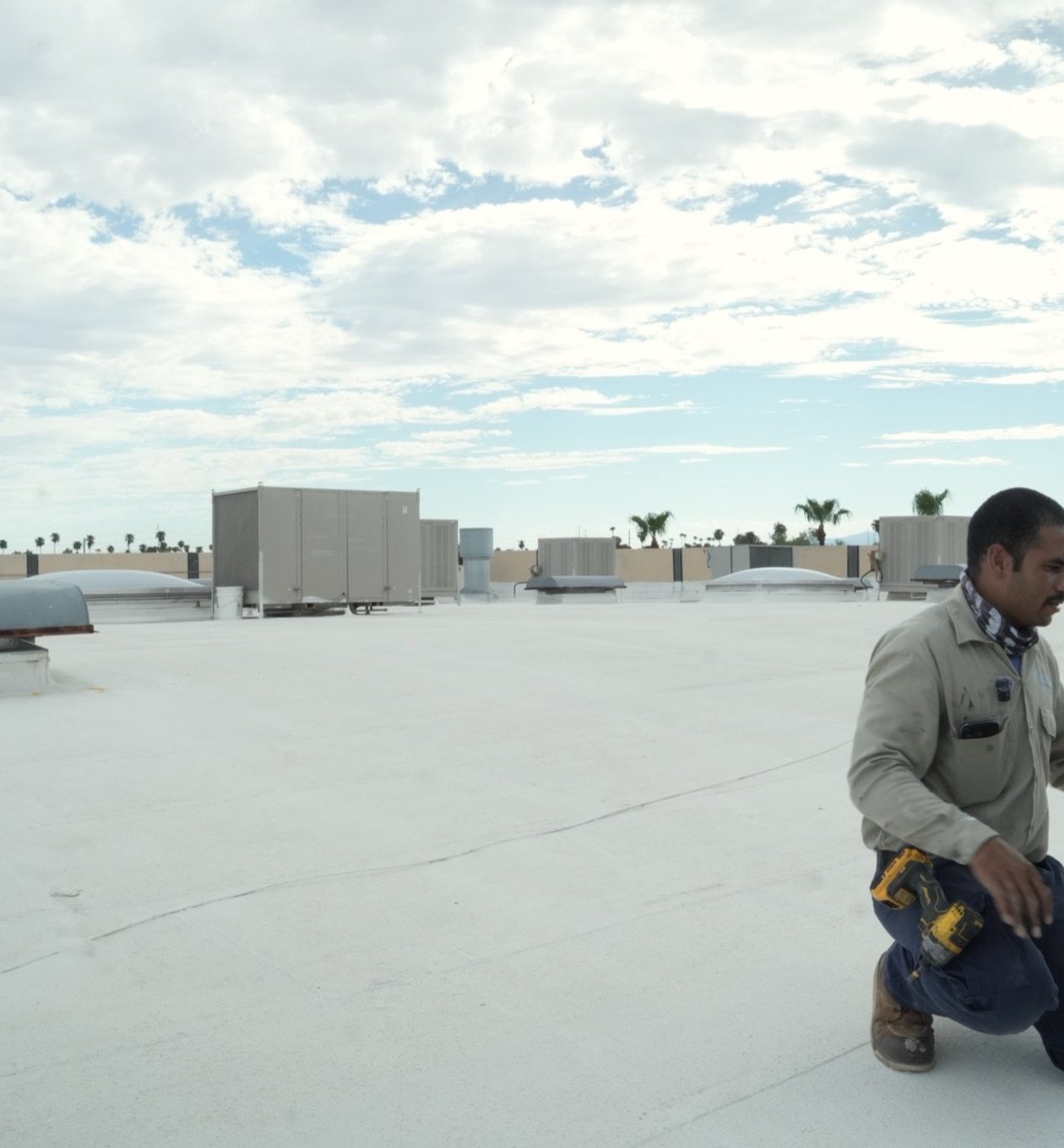
Quarterly inspection is the commercial norm and it is the right baseline. Filters are a separate question. A schedule written for a national portfolio assumes national air, and Maricopa County does not have national air. We sit in ASHRAE climate zone 1B, the hottest and driest of the zones the industry writes its standards around. The ANSI/ASHRAE/ACCA Standard Practice for Inspection and Maintenance of Commercial Building HVAC Systems sets baseline intervals and explicitly allows a documented change to them where the climate calls for it. Servicing more often here is not padding. It is the standard working as written.
Filters on Their Own Cycle, Every 30 to 60 Days: We suggest filters be changed on their own schedule of between a 30 to 60 day cycle rather than only during quarterly services, because tying filters to the quarterly visits means either inspecting far more often than you need to, or leaving a loaded filter in place for a full quarter. A loaded filter starves the blower of air, which makes the coil colder than it should be, works the compressor harder and spends more of your power bill on less cooling. Where a building is dustier, a dock that stays open or a shop that grinds, we suggest a shorter cycle and say so in writing.
Hard Water Is the Evaporative Version of Dust: On the warehouse side, the thing that quietly kills performance is mineral scale. Our water is hard, a cooler evaporates water all day, and the minerals left behind build up on the pads and in the sump. Scaled pads cool less, pass less air and hold dust. The fix is unglamorous discipline: keep the bleed off line clear so mineral-heavy water flushes out, keep water distributing evenly across the pads, and replace media before it turns into rock.
Coils and Dampers Collect What the Filters Miss: Outside the cabinet there is no filter at all. Dust settles into the condenser coil on the roof, the fins pack, and the unit can no longer dump heat properly. The pressure the compressor works against climbs, the unit runs hotter and longer for the same cooling, and compressors that live that way do not reach the age they were meant to. The same dust seizes economizer dampers and blocks condensate drains.
Commercial Swamp Cooler & Warehouse HVAC Questions
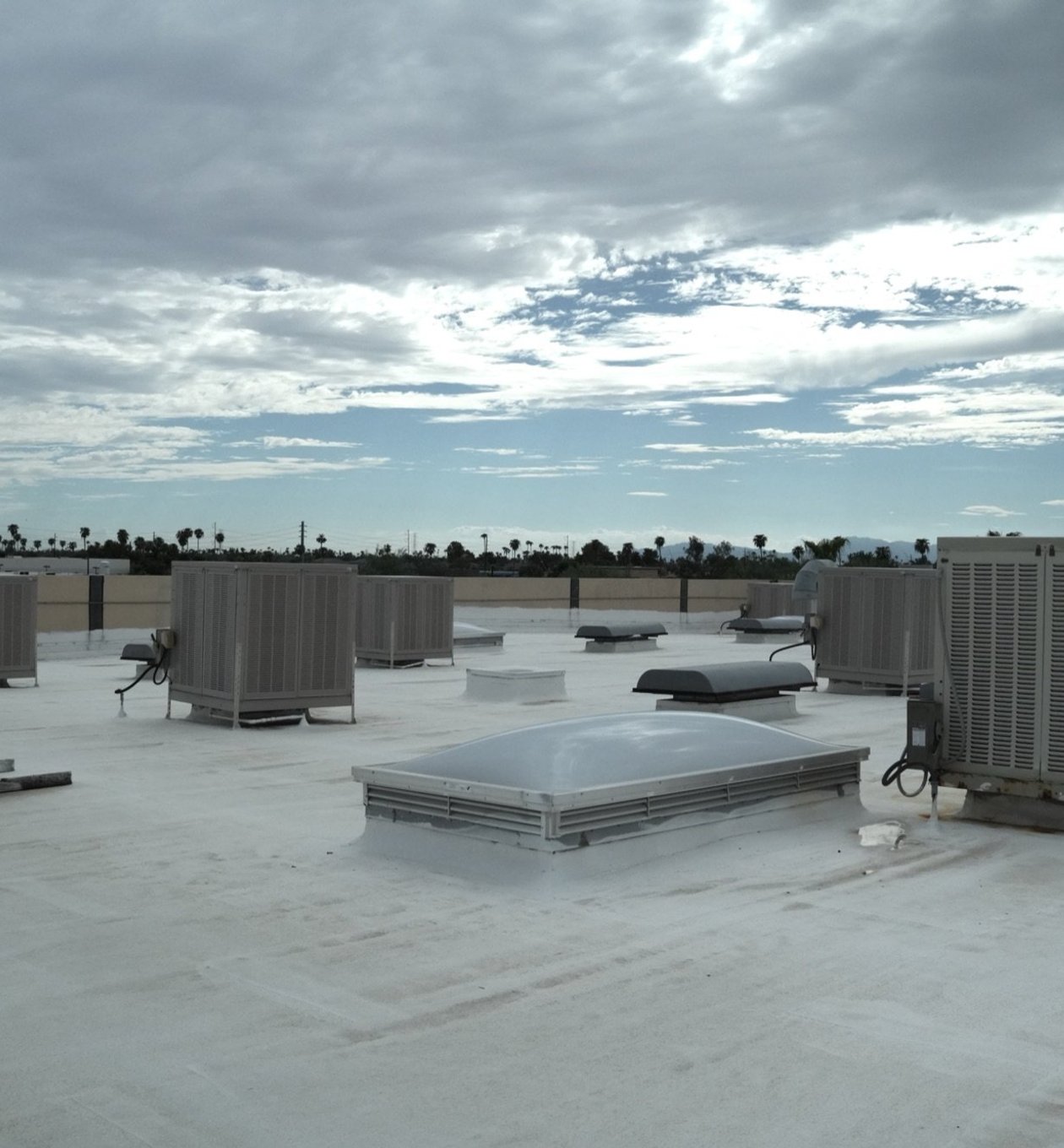
Both, usually in the same building on the same visit. Evaporative cooling, or swamp cooling, is what most East Valley warehouses run on the open floor, and it needs a different service list than a rooftop air conditioner: pads and media, sump and float valve, water distribution, the bleed off line, pump, belts and motors. The offices up front are on refrigerated air. We maintain the coolers, make-up air units, exhaust fans and rooftop units together, so one schedule and one set of records covers the whole building.
Yes, and year one matters more than most owners expect. We service equipment other companies installed, and a fair share of the installs we open up were rushed: unsealed duct joints, a charge that was never measured, an economizer linkage nobody adjusted, a condensate line run too flat to drain. None of it fails on day one and all of it shortens equipment life. A new building is also a dusty building, since fit out debris goes straight through the system, and most manufacturer warranties expect service records before they pay a claim.
Quarterly inspection is the commercial baseline, and we generally structure it as two comprehensive visits and two lighter ones through the year. Filters are the part that does not follow a national schedule. We suggest filters be changed on their own schedule of between a 30 to 60 day cycle rather than only during quarterly services, because dust here loads a filter much faster. The ANSI/ASHRAE/ACCA Standard Practice for Inspection and Maintenance of Commercial Building HVAC Systems allows a documented climate driven change to its baseline intervals, and Maricopa County is in the hottest, driest climate zone in the country.
It works less well, and that is physics rather than a maintenance failure. Evaporative cooling depends on dry air, because the cooling comes from water evaporating into it. When humidity climbs during monsoon, less water evaporates and the air coming off the pads is not as cool. What you can control is everything else: clean pads with even water flow, a working pump, and an open exhaust path so cooled air actually moves across the floor. Where one area cannot tolerate those weeks, that is usually a case for refrigerated cooling in that zone only.
Make-up air is outside air brought into the building deliberately, to replace the air that exhaust fans, evaporative coolers and open dock doors push out. It matters because a building is a closed box until you balance it. Exhaust more than you bring in and the building goes negative, which makes doors hard to open, pulls unfiltered dust in through every gap, and stops exhaust fans moving what they are rated to move. Bring in more than you exhaust and cooled air gets pushed back out. We check that balance on the visit.
We walk the floor and the roof and build an inventory of what is actually in the building: make, model, age and condition of every unit, the coolers, the make-up air and exhaust, filter sizes and quantities, and how a technician safely gets on the roof. Then you get a written scope covering what is serviced, how often, and what is included. We quote after that, never before, because nobody can honestly price equipment they have not seen. Warehouse, distribution center, industrial, manufacturing and office or flex space are all buildings we maintain.