info@due-all.com
 Open 24/7




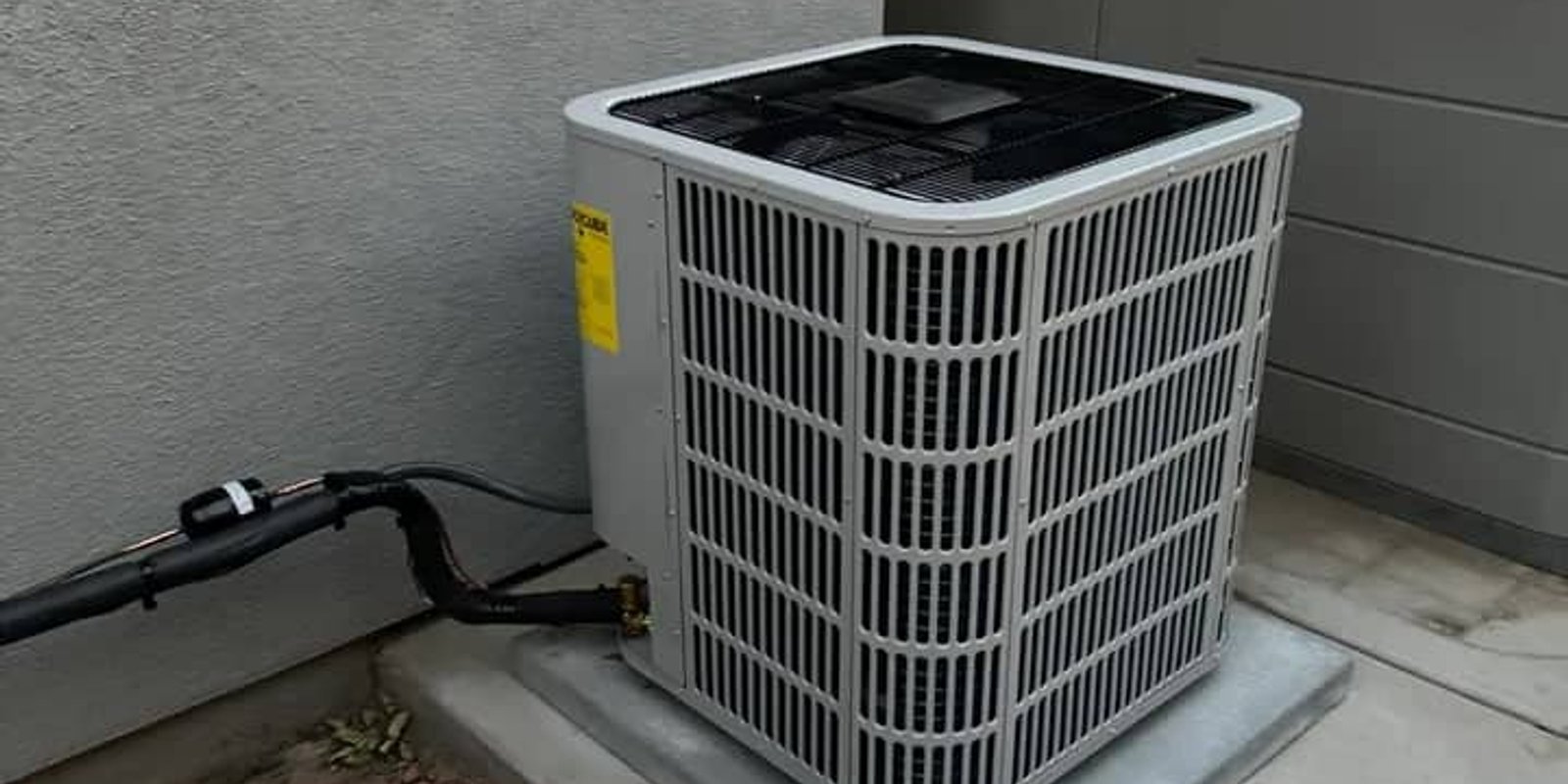

When it is time to replace a heating and cooling system in the East Valley, one of the first questions is what kind of system to put in. Most homes here use one of two setups: a heat pump that handles both cooling and heating, or a central air conditioner paired with a gas furnace. Both can work well. The right choice depends on your home, what is already installed, and how you use the house.
Here is a plain-language look at how they compare in our climate.
How each system works
A central AC with a gas furnace splits the job in two. The outdoor air conditioner and the indoor coil handle cooling. In winter, a separate gas furnace burns natural gas to create heat, and the furnace blower pushes that warm air through your ducts.
A heat pump uses one outdoor unit for both jobs. In summer it works exactly like an air conditioner, pulling heat out of your home and releasing it outside. In winter it reverses, pulling heat from the outdoor air and moving it inside. It moves heat rather than creating it by burning fuel. Most heat pump systems also have electric backup heat strips in the indoor unit for the coldest mornings.
From the cooling side, the two setups are very similar. In both cases, the outdoor unit and indoor coil are doing the same kind of work all summer long. The real difference is how the home gets heated.
Why heat pumps are so common in the Valley
Winters in Queen Creek, Gilbert, Mesa and San Tan Valley are mild compared to most of the country. Freezing nights happen, but long stretches of deep cold do not. That is the kind of climate where heat pumps do their best work, because they are most efficient when the outdoor air is not extremely cold.
A few other reasons homeowners here choose them:
- One system for both seasons. There is no separate furnace to maintain, and no gas appliance to vent.
- No gas required. Many homes and some newer communities are all-electric. A heat pump is the natural fit when there is no gas line to the house.
- Simple switching. The same thermostat and outdoor unit handle both modes, so moving from cooling to heating in the fall is just a setting.
Where an AC and gas furnace still makes sense
A gas furnace is a good option in plenty of East Valley homes, especially when:
- The home already has gas and a furnace in good condition. If the furnace has plenty of life left and only the AC needs replacing, keeping the furnace and replacing the air conditioner can be the most practical path.
- You like the feel of furnace heat. Gas furnaces typically deliver warmer air from the vents than a heat pump does. Heat pump air is warm, but some people notice it feels less hot coming out of the register.
- You want heating that does not depend on the outdoor unit. With separate equipment, a problem with the AC in winter does not affect your heat, and the reverse is true in summer.
The year-round wear factor
One trade-off is worth understanding. With an AC and furnace, the outdoor unit rests through the winter. With a heat pump, the same outdoor unit runs in summer for cooling and again in winter for heating. In our climate the heating season is short and light, but the heat pump still sees more total hours over the year.
That is not a reason to avoid a heat pump. It does mean regular maintenance matters, ideally in both spring and fall. We explain what that service should include in how often you should service your AC and heating in the East Valley.
Questions to ask before you decide
Every home is different, so the best decision comes from looking at your specific setup. These are the questions worth working through with a technician:
- What is installed now, and what condition is it in? Matching the existing setup is often the simplest and least disruptive route.
- Does the house have natural gas service? If not, a heat pump is usually the straightforward choice.
- How old is each piece of equipment? If the furnace is newer than the AC, replacing only the cooling side may make sense. If both are aging, it can be worth replacing the whole system together.
- How does the ductwork look? Leaky or undersized ducts affect any system. Replacement is a good time to check.
- Is the system the right size for the home? Bigger is not better. A properly sized system runs more evenly and handles humidity and comfort better.
- Are there rooms the main system never handles well? For an addition, a casita or a converted garage, a ductless mini-split can be a better answer than oversizing the central system.
Repair or replace?
If your current system is still in reasonable shape, a repair may be all you need. If it is older, has needed repeated repairs, or simply cannot keep up on the hottest days, it is usually worth comparing options. We can help with both:
Talk it through with a local contractor
There is no single right answer for every house in the East Valley, and the best way to decide is to have someone look at your home and your current equipment. Due-All Air Conditioning & Heating is based in Queen Creek and works with homeowners across the area. Call 480-988-0070 or send us a message and we will help you sort through the options.